Scalp Massage for Hair Growth: What the Evidence Says and How to Do It
Add Capivex as a preferred source on Google
On this page
Scalp massage for hair growth is one of the most searched hair care tips around, and it is easy to see why. It is free, it feels good and it takes a few minutes. But does it actually help your hair? This guide looks at what the research really shows, the benefits you can realistically expect, and a simple routine you can do by hand or with a scalp massager.
Does scalp massage help hair growth?
The honest answer is: there is some early evidence, but it is limited.
The study most people quote was published in 2016 in the journal Eplasty. Nine healthy men used a scalp massage device for four minutes a day for 24 weeks. At the end, their hair strands were measurably thicker, increasing from an average of 0.085 mm to 0.092 mm. The number of hairs did not change, the group was very small and part of the study was funded by a company that makes massage products.
A larger 2019 survey in Dermatology and Therapy asked over 300 people with pattern hair loss who had tried daily scalp massage how their hair had changed. Around 69% said their hair loss had stabilised or improved. However, this was based on people's own reports, without a comparison group, so it cannot prove cause and effect.
Put together, the research suggests scalp massage may support thicker-looking hair over months of regular practice. It is not a cure for hair loss and it will not replace treatments recommended by a GP or dermatologist.
Why might it make a difference?
Researchers think the gentle stretching of the scalp during massage may affect the cells at the base of each hair follicle. Massage also increases blood flow to the scalp in the short term and helps the skin feel softer and more relaxed. These ideas are still being studied, so treat them as possible explanations rather than settled facts.
Scalp massage benefits you can count on
Even without the hair growth question, there are good reasons to make scalp massage part of your routine:
- It helps you relax. Many people find a head massage one of the easiest ways to unwind after a long day of screens or tight hairstyles.
- It spreads products evenly. Massaging in an oil or serum helps it reach the whole scalp rather than sitting in one spot.
- It lifts build-up. A gentle massage before or during washing helps loosen flakes, dry shampoo and styling products.
- It leaves your scalp feeling refreshed. A clean, comfortable scalp is the starting point for healthy-looking hair.
How to do a scalp massage with your hands
You do not need any equipment to start. Aim for about four to five minutes a day, which is roughly the amount used in the 2016 study.
- Use your fingertips, not your nails. Place the pads of your fingers on your scalp, starting at the hairline.
- Press and move in small circles. Apply light to medium pressure and move the skin over the skull rather than rubbing the hair.
- Work in sections. Move from the front hairline to the crown, then the sides, then the back of the head and the nape of the neck.
- Add gentle pinches and stretches. Lightly gather the scalp between your fingers and release, or press your palms together on either side of the head and hold for a few seconds.
- Keep it comfortable. It should never hurt. Too much pressure or tugging can break hair.
How to use a scalp massager

A scalp massager makes it easier to stay consistent, which is what matters most. There are two main types.
Manual scalp massage brushes
Silicone brushes are inexpensive and can be used on dry hair or in the shower with shampoo. Hold the brush against the scalp and move it in small circles, section by section, with light pressure.
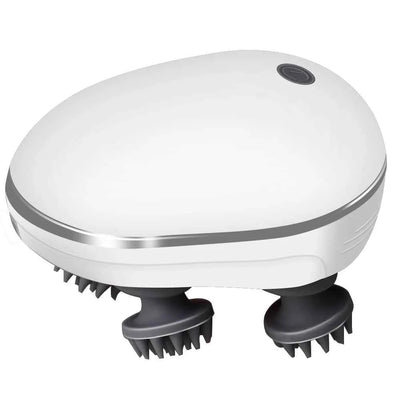
Electric scalp massagers
An electric head massager does the kneading for you, which helps if your hands tire quickly or you want a more relaxing session. Our Electric Scalp Massager with Red Light has three kneading modes and soft silicone nodes that move through hair without tugging. To use one:
- Start on a dry, detangled scalp, unless the instructions say the device is safe to use wet.
- Choose the gentlest mode first.
- Rest the massager lightly on the scalp and let it do the work. There is no need to press down.
- Move slowly from front to back, spending about a minute on each area.
- Clean the nodes after use as described in the instructions.
Scalp massage with oil

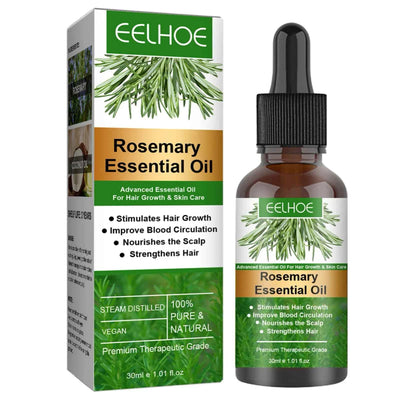
Adding a few drops of oil turns your massage into a nourishing scalp treatment. Warm a small amount between your fingertips, part your hair in sections and massage it into the scalp. Our Rosemary Hair and Scalp Oil is a lightweight option for this. Leave it on for at least 30 minutes, or overnight if your hair is dry, then wash with shampoo. Patch test any new oil first, especially if your scalp is sensitive. For more ideas, read our guide to a simple hair and scalp care routine with rosemary oil.
How often should you massage your scalp?
Daily is ideal if you are hoping to see a difference in how your hair looks, because the studies that showed changes involved daily massage for several months. If that is not realistic, a few times a week still brings the relaxation and product benefits. Consistency over three to six months matters more than the length of any one session.
Common mistakes to avoid
- Using your nails, which can scratch and irritate the scalp
- Pressing too hard or rubbing so fast that hair tangles and breaks
- Massaging a scalp that is sore, broken, infected or sunburnt
- Expecting results in a couple of weeks
- Using heavy oils every day on an already oily scalp; see our dry or oily scalp routine for help choosing
When to see a doctor about hair loss
Scalp massage is a cosmetic and wellbeing habit. See your GP if you notice sudden or patchy hair loss, hair coming out in clumps, a painful, itchy or scaly scalp, or thinning that is getting worse. Hair loss can have many causes, and some respond best to early treatment.
Explore oils, masks and tools for a healthier-feeling scalp in our hair and scalp care collection.
Scalp massage FAQs
Does head massage stimulate hair growth?
A small 2016 study found that four minutes of daily scalp massage for 24 weeks made hair strands thicker, but it did not increase the number of hairs. The evidence is promising but limited, so it is best seen as a supportive habit rather than a treatment.
How long does it take to see results from scalp massage?
In the research, changes in hair thickness were measured after around six months of daily massage. Relaxation and a refreshed-feeling scalp, on the other hand, are felt straight away.
Should I massage my scalp wet or dry?
Both work. Massaging during shampooing helps lift build-up, while a dry scalp massage with or without oil is more relaxing. Hair is more fragile when wet, so be extra gentle in the shower.
Can scalp massage cause hair loss?
Gentle massage should not. You may notice a few loose hairs, which are usually hairs that were already due to shed. Rough pressure, nails or tugging can break hair, so keep it gentle.
Is an electric scalp massager better than using your hands?
Not necessarily better, but easier to stick with. The 2016 study used a massage device, and many people find an electric massager more relaxing and consistent than doing it by hand.
Can I use a scalp massager with rosemary oil?
Yes. Apply the oil to your scalp with your fingertips first, then massage. Check your massager's instructions before using it with oil, and clean it afterwards.
Sources
- Koyama T. et al. (2016). Standardized scalp massage results in increased hair thickness. Eplasty, 16:e8
- English R.S. and Barazesh J.M. (2019). Self-assessments of standardized scalp massages for androgenic alopecia: survey results. Dermatology and Therapy, 9(1):167-178
This article is for general information only and is not medical advice. Capivex products are cosmetic and are not intended to diagnose, treat, cure or prevent any medical condition, including hair loss.